


Community
·
May 7, 2025
·
4 min read
What "Embedded Care" Really Means in Rural Colorado

Samantha Archuleta
Community Outreach Lead
Meeting clients in their communities — schools, homes, clinics — isn't just logistics. It's a philosophy that changes outcomes.
The Problem With Centralized Care
Traditional mental health systems ask clients to come to them. They require transportation, scheduling flexibility, insurance navigation, and the willingness to enter a clinical environment that can feel sterile or stigmatizing. For many Coloradans — especially those in rural areas, those experiencing housing instability, or those navigating multiple systems simultaneously — these barriers are simply insurmountable.
"The goal isn't to bring clients into our world — it's to step into theirs."
Camille Harding, CEO
What Distributed Care Looks Like in Practice
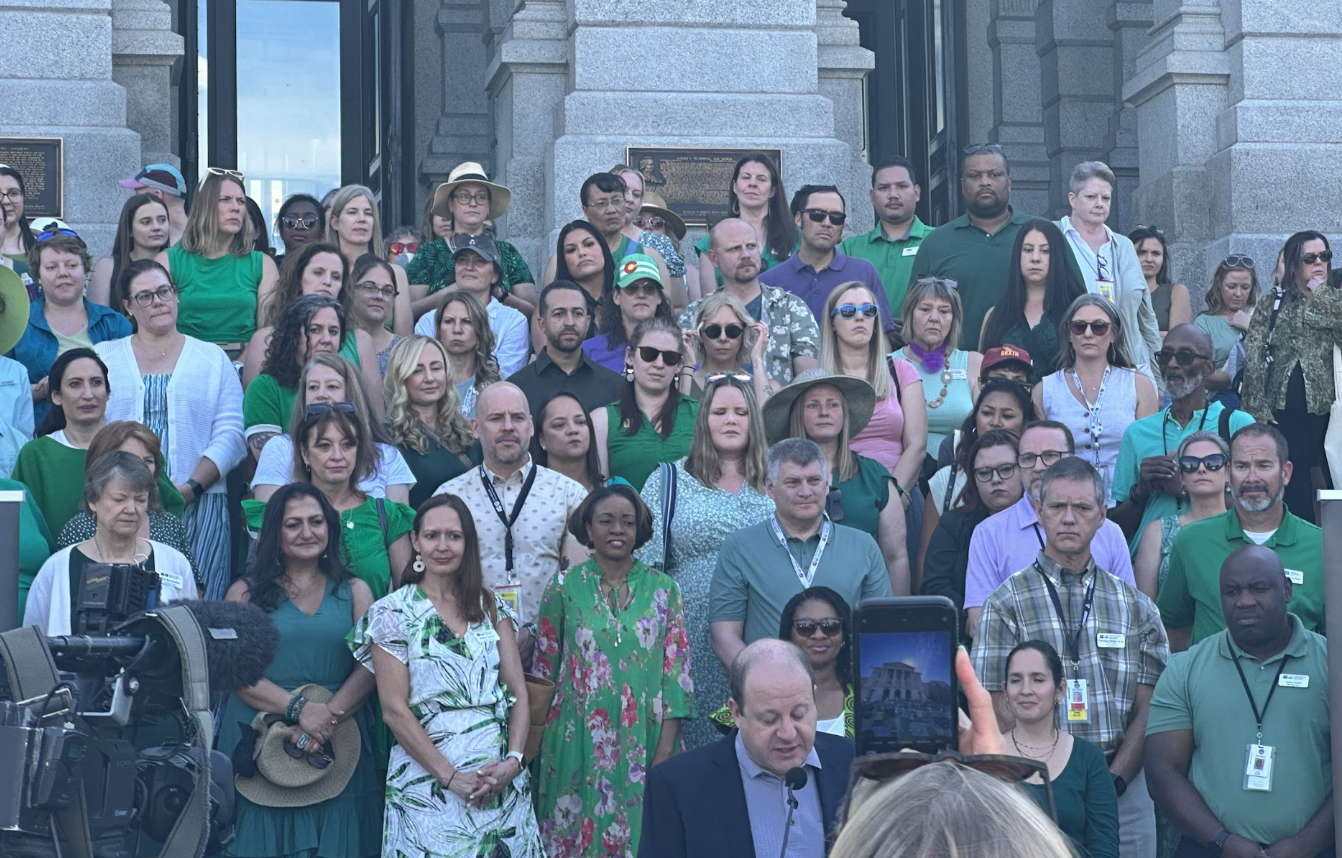
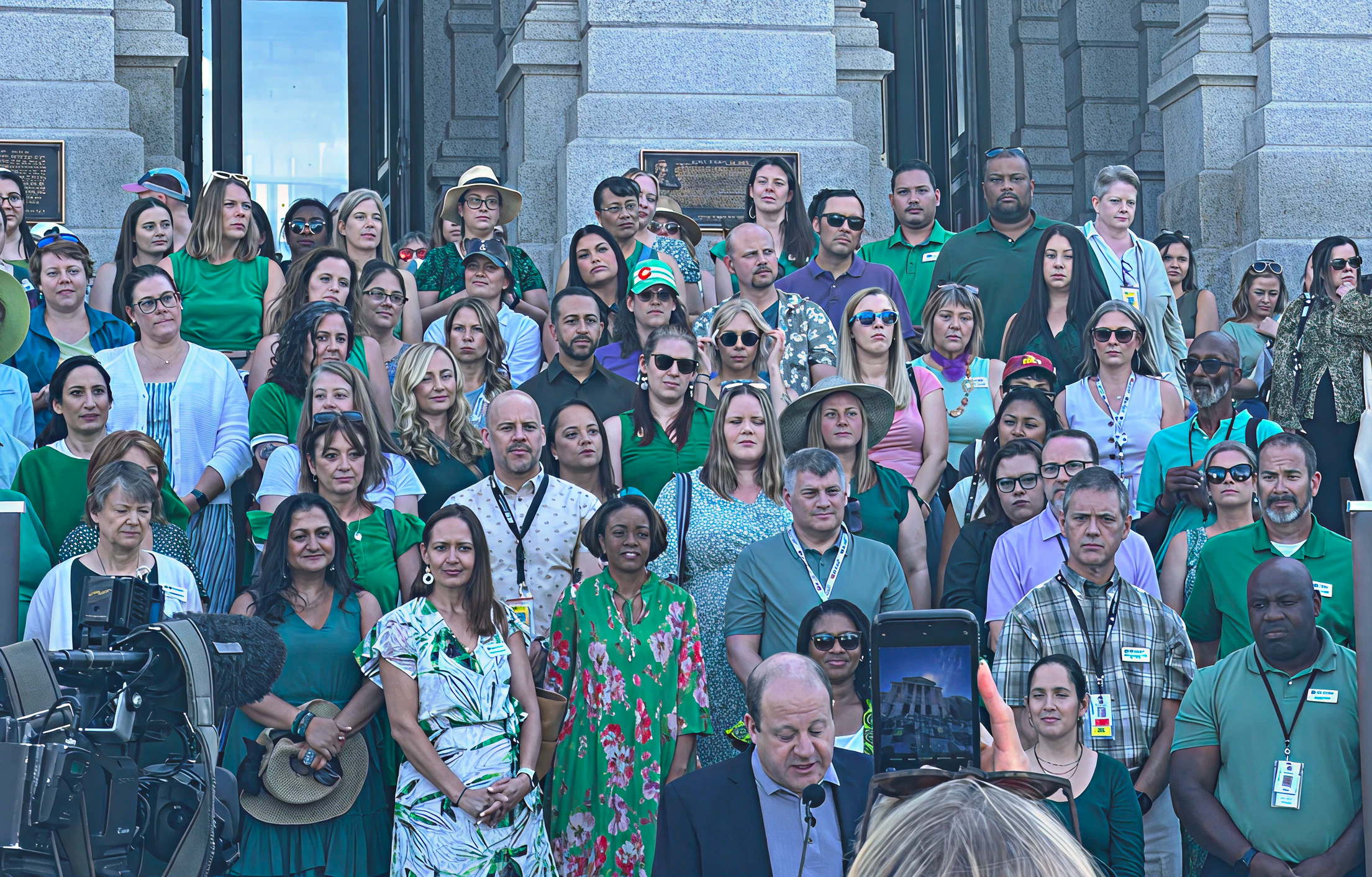
Our clinical staff don't wait in offices. They show up to schools, community centers, primary care waiting rooms, and occasionally a client's kitchen table. This isn't just logistically different — it's philosophically different. Embedded care acknowledges that context matters, that a person's environment shapes their mental health, and that the best clinical relationship is one built on trust that develops over time in familiar surroundings.
Key Takeaways

Access improves dramatically when care is embedded in existing community touchpoints.
Multidisciplinary teams reduce redundancy and improve warm handoffs between providers.
Rural Colorado populations show strong engagement when stigma barriers are removed by familiarity.
Non-profit models allow flexibility to serve uninsured and underinsured populations equitably.
The Path Forward
Paragon's model isn't perfect, and scaling it requires solving hard problems — recruitment, training, coordination technology, and sustainable funding. But the outcomes we've seen across our 25-county footprint give us confidence that community-embedded care isn't a niche approach. It's the future of accessible, equitable mental health services in Colorado and beyond.
#Mental Health
#Community Care
#Colorado
#Access
#Distributed Model


Samantha Archuleta
CEO & Founder
In This Article
01
The Problem With Centralized Care
02
What Distributed Care Looks Like
03
Key Takeaways
04
The Path Forward



More From Our Blog
← Back to Blog

Community
Community · May 8, 2025
What "Embedded Care" Really Means in Rural Colorado
Meeting clients in their communities isn't just logistics. It's a philosophy that changes outcomes.

Research
Research · Apr 22, 2025
The Evidence Behind Integrated Behavioral Health Teams
A look at the research supporting multidisciplinary care coordination.

Wellness
Wellness · Apr 10, 2025
5 Ways to Support a Loved One Navigating Mental Health Care
Practical guidance for families who want to help without overstepping.